
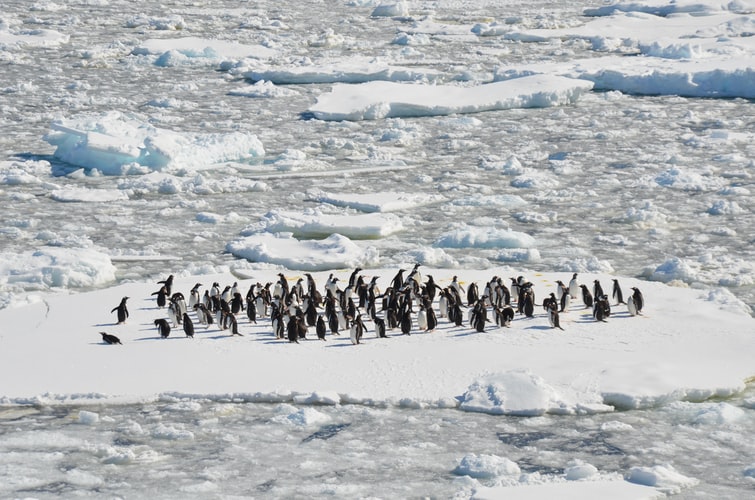
The global temperature across the world has been constantly increasing making the earth heater and warmer ever before leading to chances of melting of glaciers and ozone depletion. A recently released analysis report of NASA revealed that there has been an 18-month net increase in Antarctic ice mass between mid 2023 and the beginning of 2025.
At first, LiveScience reported that there has been an extension in the sea ice area with the help of combining microwave data with the result of laser-altimetry from ICESat-2. At first, it felt that the result was a contradiction, since the global mean surface temperature for 2023-24 set another record high while the frozen continent added ice.
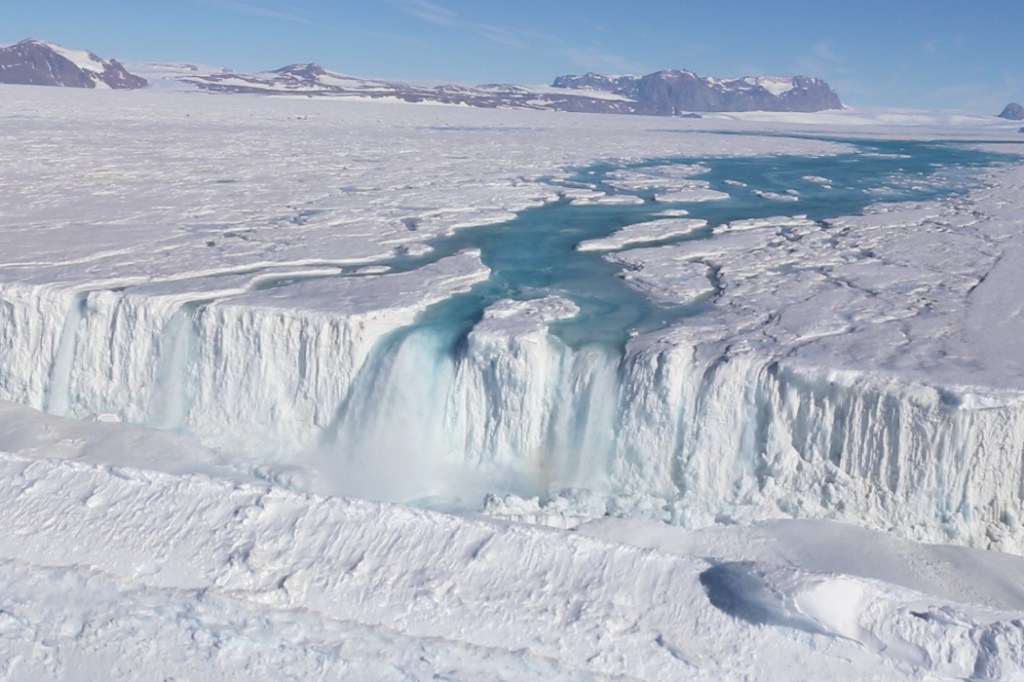
So now the question arises how this phenomenon took place and the ice area increased. Here in this article, we will explore some of the possible factors that can lead to healing of earth and rise in the ice in the Antarctic area.
1. Snowfall can outweigh melt
In 2023 El Nino factor boosted the Southern Ocean to pump extra water as vapor in the Antarctic atmosphere leading to falling of moisture mostly as snow thus thickening parts of the East Antarctic ice sheet. Increasing snow adds mass even if the temperature is slightly higher than the long-term average.
It is also being reported that Antarctica flips itself between multi-year periods of heavy and light snowfall so the spike in ice in 2023-24 is though unusual but not unprecedented.
2. Sea ice is not the same as land ice
Let us tell you that the increase is because of seasonal sea ice fringing the continent and not the grounded ice sheet whose melt drives sea-level rise. Ice on sea grows every winter and largely melts down in the summer, so a little increase results in little long-term land-ice loss. NASA’s GRACE gravity-mapping satellites still show Antarctica losing on average ≈ 136 billion tonnes per year since 2002.
3. Changing winds can spread the ice outward
Another important factor that might be causing this increase is the polar vortex and the westerly winds that encircle the continent. The 2023 stratospheric ozone hole strengthened those winds, pushing existing ice outwards where it can freeze more seawater along its edges, temporarily boosting total extent.
4. Regional gains can hide dramatic regional losses
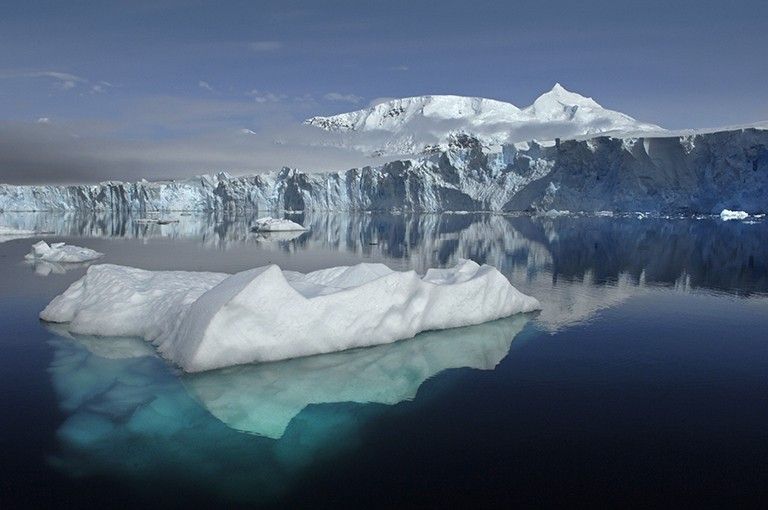
While west Antarctica and the Antarctic Peninsula continue to thin rapidly because warmer ocean water is attacking glaciers from below. On the other hand East Antarctica’s high interior gained snow, tipping the short-term balance into the black. This netting gave a gain but the vulnerable western outlets such as Thwaites and Pine Island still lost mass at alarming rates.
But this doesn’t mean that there is no global warming since scientists expect the current surplus to diminish within a few years as the extra snow compacts, flows seaward, and increased ocean heat pushes more melt at the margins. Preliminary ICESat-2 passes from April 2025 already show the gain slowing.
Antarctica’s brief ice uptick is a weather-driven blip atop a warming-driven downward trend. It underscores how complex the planet’s cryosphere is: regional, seasonal and even multi-year reversals can and do occur, yet they sit within a clear, decades-long pattern of accelerating global ice loss and rising seas.




 The Social Dig